
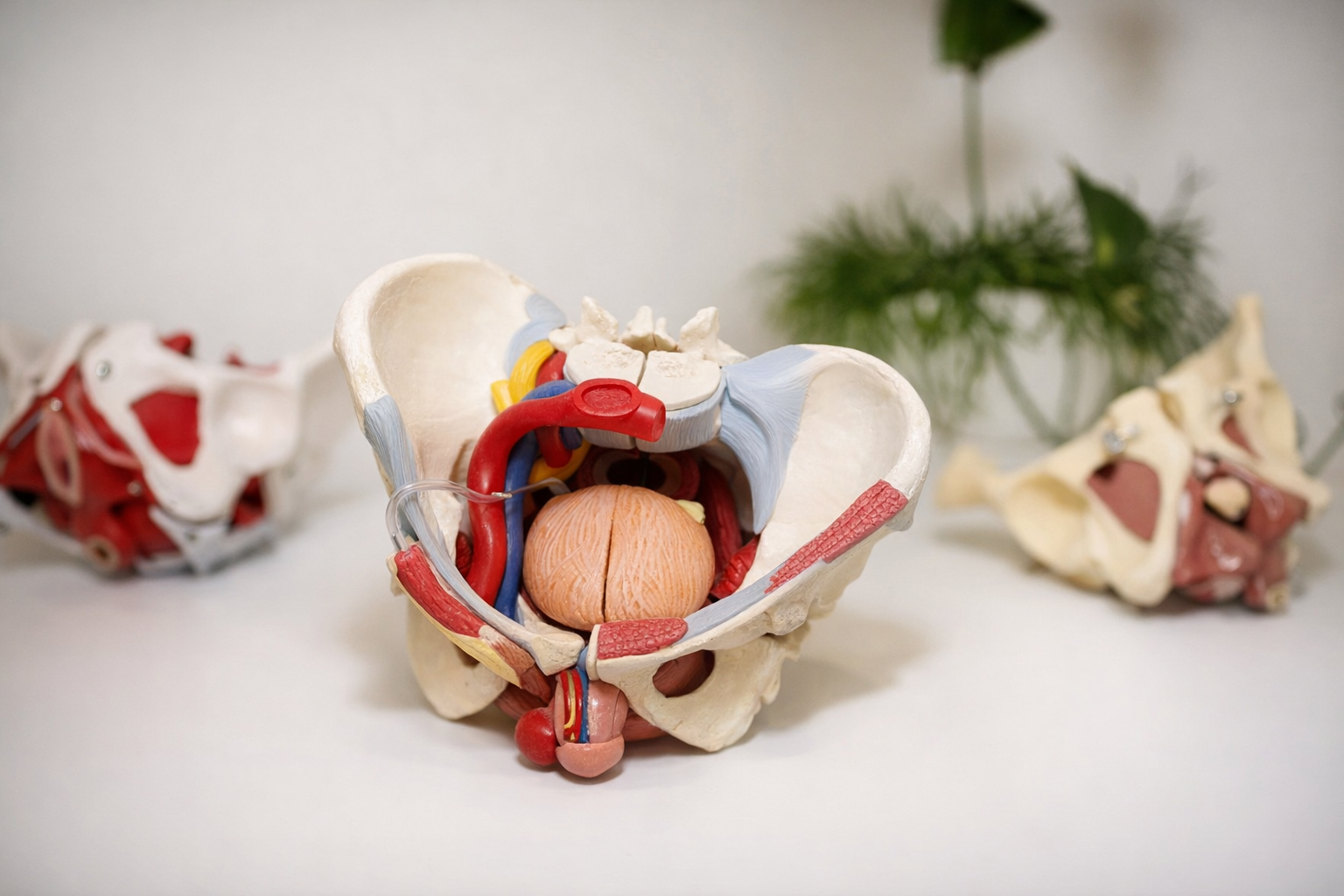
Pelvic health support for men
Pelvic health concerns aren’t talked about much — but they’re far more common than most people realise. Changes can show up gradually or all at once, and they often affect comfort, confidence, and day-to-day life before anyone says a word about them.
If something feels off, different, or harder to manage than it used to be, this page is a good place to start.
You might be here because…
You’ve noticed changes that don’t feel like you.
Or things aren’t working the way they used to.
Or something has shifted quietly, and you’re not quite sure when it started.
You might have been told it’s common. You might even have accepted that.
But if it’s affecting your comfort, confidence, your relationships, or day-to-day life, it’s worth paying attention to. Are you suffering urinary incontinence, erection issues, trouble with defecation, bladder or bowel urgency?
Pelvic health concerns are common. Living with them unnecessarily isn’t.

Pelvic health across different stages of life
Pelvic health doesn’t sit in one neat chapter. It can change with surgery, medical treatment, injury, ageing, or ongoing physical strain — sometimes gradually, sometimes without a clear trigger.
We commonly support men with pelvic health concerns following prostate surgery or radiation, through periods of physical change, or when longer-standing symptoms have been quietly shaping daily life.
Here’s what we help with
Pelvic health concerns don’t always come neatly labelled — and they don’t always start loudly. Below are the areas we commonly support for men, approached with clear explanations, practical care, and a focus on what makes day-to-day life more manageable.
-
Bladder Health
Changes such as urgency, leakage, or frequent urination can quietly interfere with daily routines and confidence. Pelvic health support focuses on improving control and comfort in a practical, straightforward way, without judgement or awkwardness.
-
Bowel Health
Bowel concerns, including difficulty emptying, constipation, or loss of control, can be frustrating and disruptive. Support aims to improve comfort and function so everyday routines feel more manageable again.
-
Pelvic Floor Muscle Function
Pelvic floor muscles need to contract, relax, and coordinate well. Sometimes they don’t — even when symptoms aren’t obvious. Assessment and guidance can help improve control, coordination, and long-term pelvic health.
-
Pelvic Pain
Pelvic pain can be short-term or something that’s been lingering for months or longer. Whether discomfort is constant or activity-related, care focuses on understanding contributing factors and improving comfort, confidence, and ease of movement over time.
-
Coccyx (Tailbone) Pain
Tailbone pain can make sitting terribly uncomfortable. It may be linked to posture, injury, bowel function, or prolonged sitting. Pelvic health support focuses on reducing strain and improving comfort in daily life.
-
Sexual Health Concerns
Pelvic health can affect sexual function and confidence in ways that aren’t always easy to talk about. Support is respectful, clear, and focused on practical strategies, without assumptions or unnecessary discomfort.
-
Erectile Dysfunction
Erectile dysfunction is more common than many people realise and can be influenced by pelvic floor function, surgery, medical treatment, or ongoing pelvic health concerns. Pelvic health care focuses on addressing contributing factors and supporting confidence and function over time.
-
Pre-Prostate Surgery Support
Preparing for prostate surgery or a prostatectomy can make a meaningful difference to recovery. Pre-surgery pelvic health support focuses on education, pelvic floor awareness, and preparation, helping you feel more informed and supported going into treatment.
-
Post-Prostate Surgery Support
Pelvic health changes are common following a prostatectomy and can be challenging. Support focuses on recovery, pelvic floor function, and rebuilding confidence as the body heals and adapts after treatment. Pelvic floor physiotherapy centres on urinary continence and penile rehabilitation.
-
Pelvic Health After Pelvic or Abdominal Surgery
Pelvic or abdominal surgery can affect movement, muscle function, and pelvic health. Support focuses on recovery, coordination, and helping the body return to everyday activities more comfortably.

Focused Shockwave Therapy (FSW)
Focused Shockwave Therapy (FSW) is a non-invasive, high energy medical treatment that supports men experiencing erectile dysfunction (ED) or curvature of the penis that occurs with Peyronie’s disease.
FSW delivers targeted sound waves to the penis and surrounding tissue to encourage improved blood flow and tissue healing response. For men with ED or penile curvature affecting function and confidence, FSW is a great treatment option.
This therapy is always used alongside a thorough assessment and Amy will explain whether FSW may be appropriate for you, how it works, and what to expect.

Ready to reach out?
If you’re not sure what to ask for, that’s okay. Start with what you’ve noticed — we’ll take it from there.
Pelvic Form Physiotherapy focuses on pelvic health care that’s thoughtful, specific, and practical — not generic or one-size-fits-all.
When you’re ready, we’re here.