
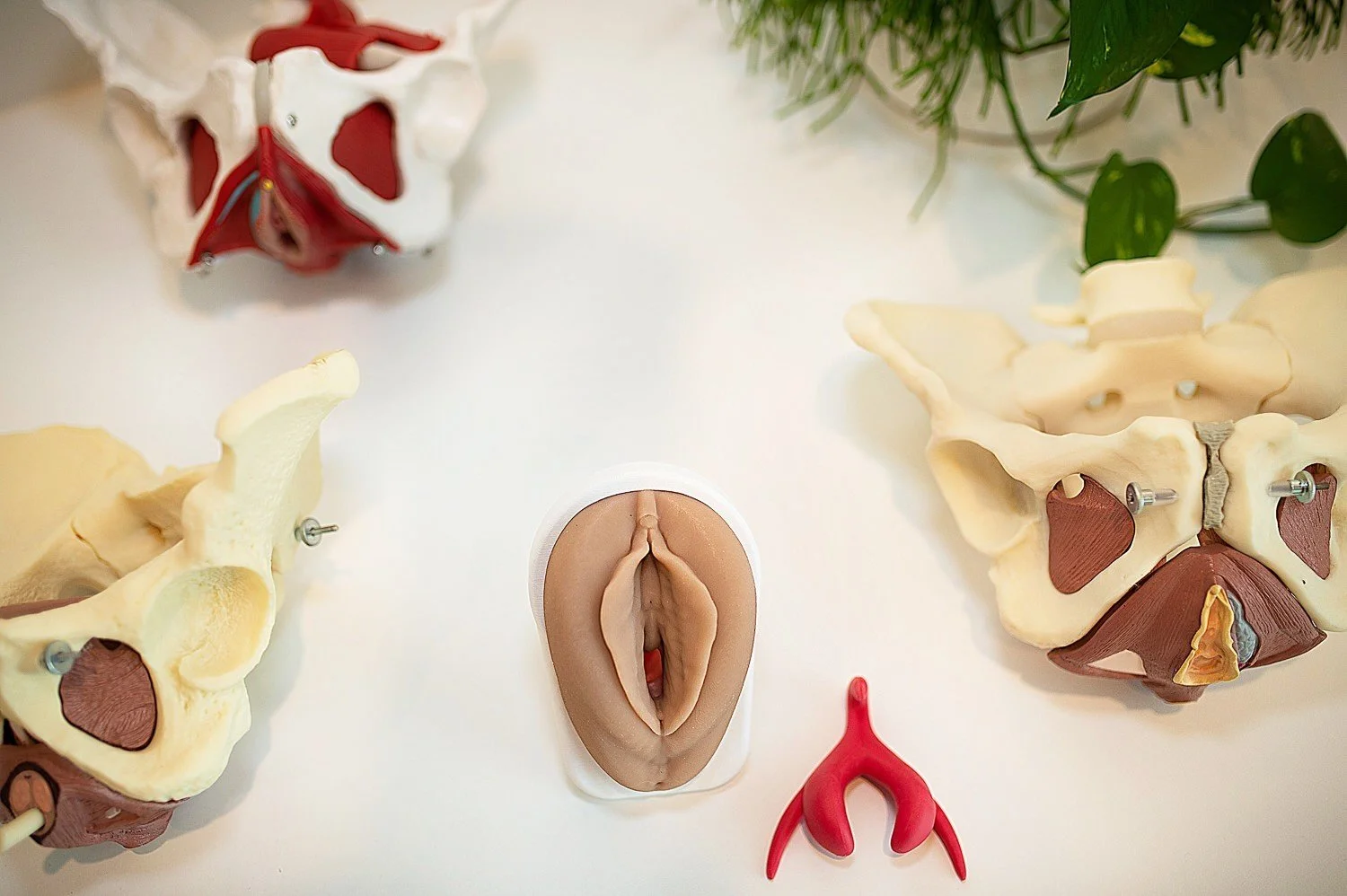
Pelvic health support for women
Your body changes over time - sometimes gradually, sometimes all at once. Pelvic health concerns can become evident during pregnancy, after birth, through perimenopause and menopause, when you first become sexually active or perhaps when you start using tampons, or at points that don’t come with a clear explanation.
If something feels different, uncomfortable, or harder to manage than it used to be, you don’t have to wait it out, put up with it, or work it out alone.
We commonly support women through pregnancy and post-birth recovery, perimenopause and menopause, and longer-standing pelvic health concerns that have been quietly shaping daily life.
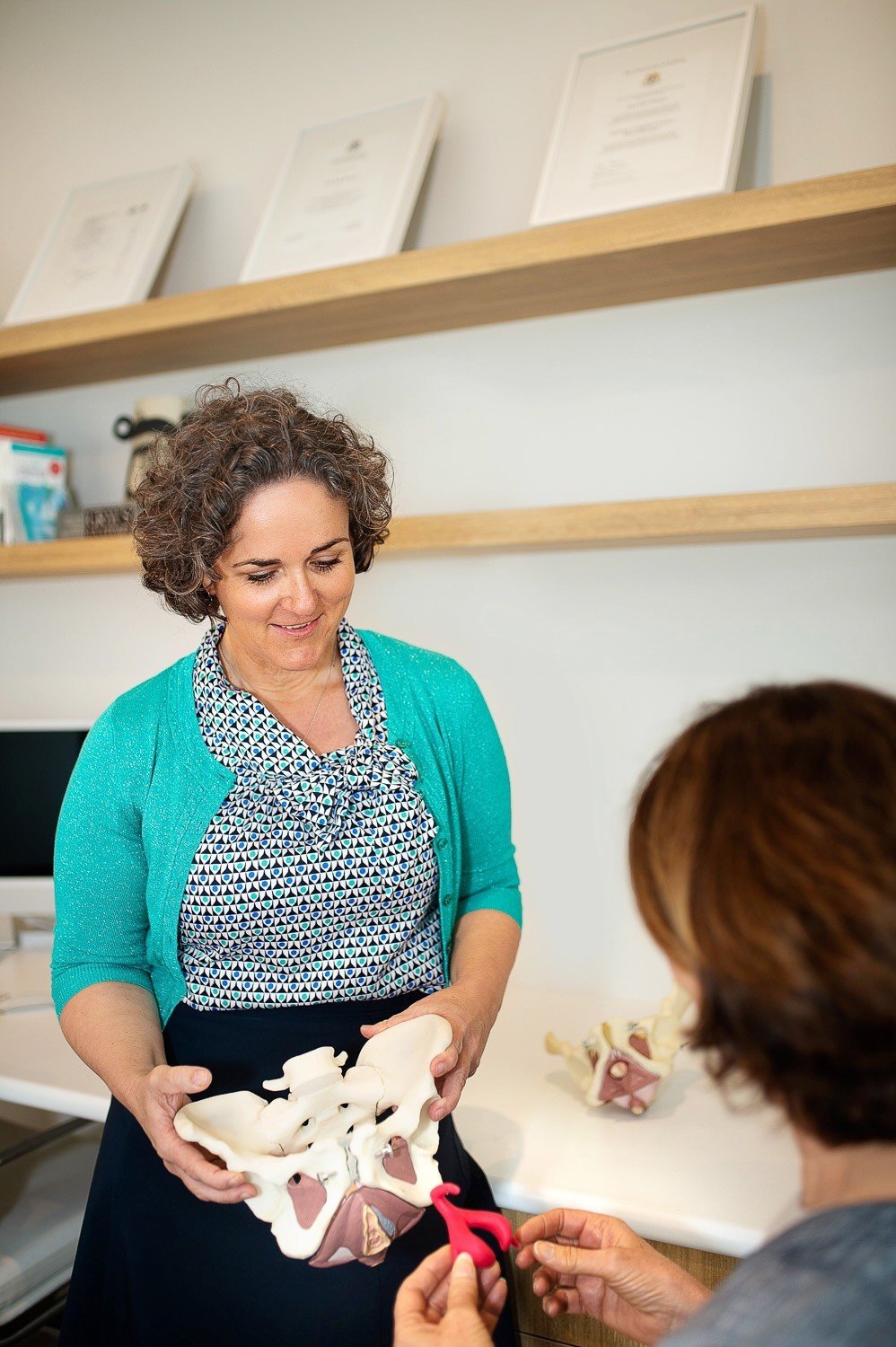
You might be here because…
You have had symptoms for weeks or years, aged 16 or 106. It’s never too early or too late to optimise your pelvic health. Pelvic floor physiotherapy can change your life.
Here’s what we help with
Pelvic health concerns don’t always come in one neat category. Below are the areas we commonly treat, all approached with thoughtful, individual care and clear explanations.
-
Bladder Health
Bladder leakage, urgency, or frequent trips to the bathroom are common — but they don’t have to be your normal. Pelvic health treatment focuses on improving control and confidence in a way that fits real life, without judgement or embarrassment. 1 in 3 women who have had a baby leak.
-
Bowel Health
Bowel concerns such as constipation, straining, bloating and not feeling empty can make you feel dreadfully uncomfortable and make opening your bowels a stressful event. Loss of bowel control leading to fecal or flatal incontinence can be soul destroying and cause great distress and maybe preventing you from living your best life. Pelvic floor physiotherapy can assist with defecation disorders and fecal incontinence.
-
Pregnancy & Postnatal Care
Pregnancy and birth place significant demands on your amazing body, specifically your pelvic floor and abdominals. Pelvic health support and assessment is recommended during pregnancy, after delivery, and through recovery, focusing on strength and recovery and a safe return to exercise.
-
Diastasis Recti (Abdominal Separation)
Abdominal separation (diastasis recti) can affect strength, posture, and confidence after pregnancy. Support focuses on restoring abdominal function, improving core control, and helping you feel stronger and more supported in everyday movement.
-
Pelvic Organ Prolapse
Pelvic organ prolapse can feel like a heaviness, pressure, or dragging sensation in your vagina. You may feel a bulge. Pelvic health physiotherapy offers pelvic floor exercises, lifestyle recommendations and silicon pessaries to support your prolapse and alleviate your symptoms. Using silicon pessaries is the gold standard in the conservative management of pelvic organ prolapse.
-
Pelvic Floor Muscle Function
Pelvic floor muscles need to work well together — contracting, relaxing, and coordinating effectively. Sometimes they don’t, even without obvious symptoms. Assessment and guidance can help improve control, coordination, and long-term pelvic health.
-
Pelvic & Sexual Pain
Pelvic or sexual pain — including pain with intimacy — can be persistent, complex, and difficult to talk about. Care is always respectful and gentle with the aim of improving comfort, confidence, and day-to-day ease.
-
Endometriosis Support
Pelvic floor physiotherapy plays an important role in managing endometriosis-related pain. Persistent pain can cause the pelvic floor muscles to become tight, overactive, and tender, which may worsen symptoms. A pelvic health physiotherapist uses gentle manual therapy, relaxation training, breathing techniques, pain education, and graded exercise to reduce muscle tension, improve bladder and bowel function, restore confidence in movement and improve everyday function.
-
Mastitis & Breast Health Support
Mastitis is distressing and debilitating. Therapeutic ultrasound can be used as a treatment to help reduce inflammation, improve local circulation, and assist in clearing blocked ducts. It is combined with gentle lymphatic techniques, effective milk drainage strategies, feeding support, and advice on positioning.
Ultrasound is painless and non-invasive, and when used alongside appropriate medical care, it helps relieve symptoms and support recovery. Mastitis is painful and exhausting, particularly during an already demanding time. Support focuses on reducing discomfort and optimising recovery.
-
C-Section Scar Support
Scar tissue following a caesarean birth can affect movement, comfort, and pelvic health. Scar support aims to improve mobility and awareness around the area, helping the body move and adapt more comfortably over time.
-
Pelvic Floor Assessment
A pelvic floor assessment is a great investment. Your pelvic floor is responsible for urination, defecation and sexual health. Such important functions! At any life stage it is worth being assessed particularly if you have concerns. Your pelvic floor muscles are assessed including their strength, coordination, and ability to relax. Vulva health is examined and pelvic organ prolapse is assessed Assessment allows for informed, tailored, individualised treatment to optimise pelvic health.
-
Recurrent Urinary Tract Infections (UTIs)
Repeated UTIs can be disruptive, uncomfortable, and exhausting. Pelvic health support focuses on contributing factors and long-term urinary health, helping reduce recurrence and improve everyday comfort.
-
Pelvic Health After Pelvic or Gynaecological Surgery
Pelvic floor physiotherapy plays an important role in recovery after gynaecological surgery. It helps restore strength, coordination, and flexibility of the pelvic floor muscles, which can be affected by surgical procedures. Treatment may improve bladder and bowel control, reduce pain, support healing, and assist a safe return to daily activities, exercise, and intimacy. Individualised assessment and guided exercises ensure recovery is safe, effective, and tailored to each person’s needs.
-
Pelvic Organ Prolapse & Pessary Support
50% of women over 50 have a prolapse. 50% of women who have had a vaginal birth have a prolapse. Pelvic organ prolapse can feel like a heaviness, pressure, or a dragging sensation vaginally. You may struggle with prolapse symptoms if you stand for long periods, if you lift something, or perhaps you feel it when you are simply on your feet. Silicon pessaries are the gold standard in the conservative management of prolapse, providing support to help relieve symptoms, improve comfort, and support daily activities. Pelvic form physiotherapy can fit you with a pessary and provide you with guidance and support to ensure safe and effective use.
-
Oncology Support (Pre & Post Surgery)
Pelvic floor physiotherapy can support recovery after oncology treatment by addressing muscle weakness, pain, scar tissue, and changes to bladder, bowel, and sexual function. Treatment includes personalised assessment, gentle exercises, and education to improve strength, comfort, and confidence, helping you to safely return to daily activities and improve quality of life.
-
Osteitis Pubis
Osteitis pubis can cause pain around the pubic bone and pelvis, often affecting walking, exercise, and daily activities. Pelvic health support focuses on managing pain, addressing contributing factors, and supporting a gradual return to comfortable movement. At our practice, as part of treatment we use a focussed shockwave machine to assist with healing.

Ready to reach out?
If you’re not sure what to ask for, that’s okay. Start with what you’ve noticed - we’ll take it from there.
Pelvic Form Physiotherapy is dedicated to pelvic health care, with a focus on thoughtful, specific support rather than one-size-fits-all advice.
If you’ve been putting this off, you’re not alone. When you’re ready, we’re here.